
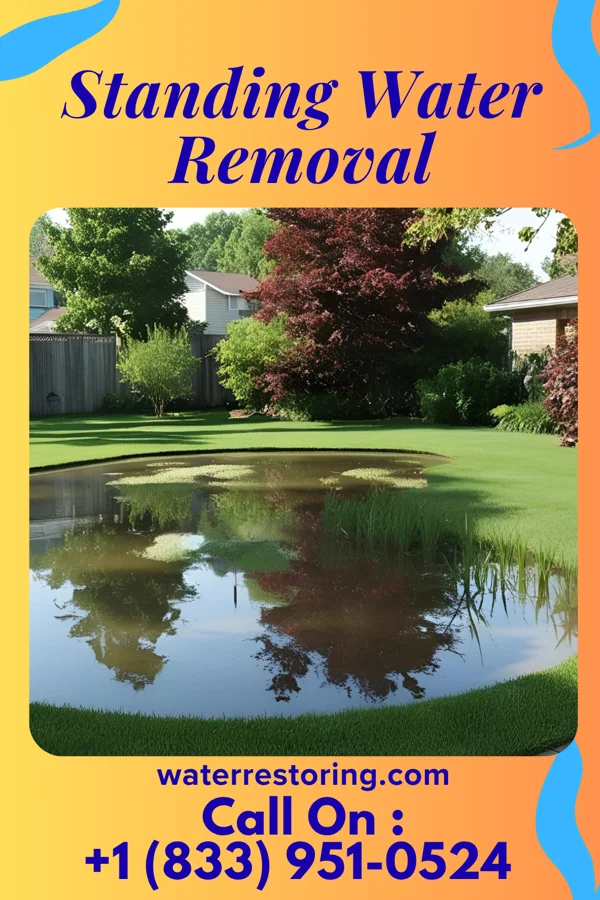
When Lafayette Properties Need Standing Water Removal
Water damage in Lafayette usually starts with In Lafayette, Ohio, the primary water damage causes include basement flooding from heavy rains due to the area's flat terrain and poor drainage, as well as plumbing leaks in older homes with aging pipes. Additionally, groundwater seepage through cracks in foundations is a common issue, especially during the spring thaw.. A close second is Secondary causes include sewer backups from overwhelmed municipal systems during severe storms, roof leaks in homes with damaged shingles, and appliance malfunctions such as washing machine or dishwasher leaks. These issues can quickly escalate without prompt intervention.. Professional restoration follows the IICRC protocol on every job. Assess. Extract. Dry. Sanitize. Document.
Lafayette experiences a humid continental climate with heavy spring and summer rainfall, increasing the risk of water intrusion. Winter snowmelt and frozen ground can also lead to sudden water accumulation, making year-round water damage prevention critical.
Water damage in Lafayette follows a few local patterns. In Lafayette, Ohio, the primary water damage causes include basement flooding from heavy rains due to the area's flat terrain and poor drainage, as well as plumbing leaks in older homes with aging pipes. Additionally, groundwater seepage through cracks in foundations is a common issue, especially during the spring thaw. accounts for the bulk of our calls. Lafayette experiences a humid continental climate with heavy spring and summer rainfall, increasing the risk of water intrusion. Winter snowmelt and frozen ground can also lead to sudden water accumulation, making year-round water damage prevention critical. Mold growth can occur rapidly in Lafayette's damp climate, especially in basements and crawl spaces. Prompt water damage restoration is essential to prevent mold from spreading and causing long-term health and structural issues.
For public guidance on the health effects of mold after prolonged water exposure, see the EPA mold and health page.